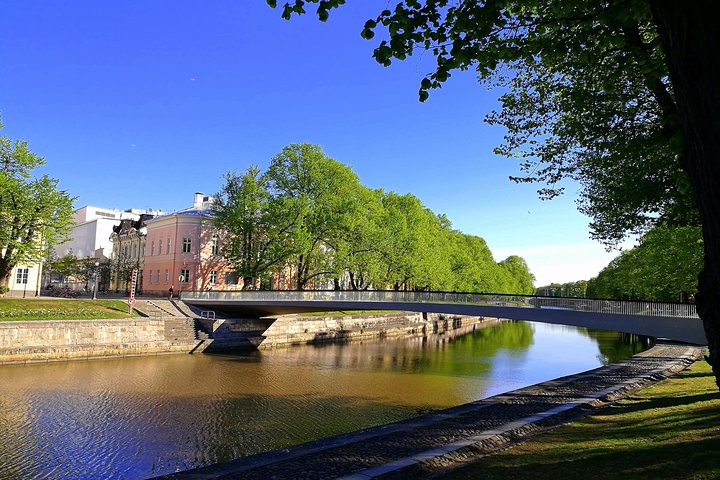
Things to Do in Turku
Smoked salmon flows like a river. Cobblestones stack into castle walls. Summer lingers, never quite ready to leave.
Top Things to Do in Turku
Find activities and tours you'll actually want to do. Book through our partners -- no booking fees.


Plan Your Trip
Essential guides for timing and budgeting
Climate Guide
Best times to visit based on weather and events
View guide →Day Trips
The best excursions and nearby destinations worth the journey
Explore day trips →Where to Stay
Best neighbourhoods, hotel picks, and booking tips
Find hotels →Travel Insurance
What's required, what coverage matters, and how to get a quote
Read guide →What to Pack
Climate-specific gear, essentials, and what to leave at home
See packing list →When Should You Visit Turku?
Tap a month for weather, crowds, and highlights
View full year-round climate guide →Explore Turku
Aboa Vetus And Ars Nova Museum
Landmark

Forum Marinum Maritime Centre
Landmark
Turku Art Museum Turun Taidemuseo
Landmark

Turku Castle Turun Linna
Landmark
Turku Cathedral Turun Tuomiokirkko
Landmark
Aura Riverbank Aurajoki
District
City Centre Keskusta
District
Kasityolaiskortteli Artisan Quarter
District
Ruissalo Island
District
Turku Harbour Satama
District
Your Guide to Turku
About Turku
Turku greets you with scent first. Sweet malt drifts from the brewery. Cold iron air rolls off the Aura River. Finland's oldest city wears centuries lightly. The medieval Turku Castle stands stern, grey, and fortress-like. Eight centuries of Baltic winds have polished its stones smooth. Downstream, the Föri ferry, a yellow cable-drawn punt, shuttles passengers for free.
Students and grandmothers share this ride. Zero euros buys the best skyline view. Real energy pulses in the markets. Kauppahalli fills with dill and rye. Riverside quays serve salmon soup and beer. The price beats any museum ticket. December brings darkness. The sun quits at 3 PM. Candlelit cafés glow along Uudenmaankatu.
Yeasty pubs draw. June flips the script. Riverbanks overflow with cider drinkers. Blankets spread until 2 AM. The sky stays pale blue. Turku thrives on extremes. Lean in.
Travel Tips
Transportation: Turku rewards walkers. Master the Föri ferry first. This free cable punt crosses the Aura. Market Square to Arts Academy, no charge. Need more distance? Buses run reliably. Buy a single ticket on the Föli app. One fare covers the city center. Savvy travelers ride the archipelago ferries. J. S. Lillbackan sails to Ruissalo. Longer routes reach Nagu. These ferries count as regional transport. Price equals a city bus. Skip taxis for short hops. They're reliable but pricey. Most rides take ten minutes on foot.
Money: Finland lives on plastic. Cards rule every transaction. Contactless works everywhere. Kauppahalli stalls accept tap-to-pay. Tiny pubs do too. Cashless days pass easily. Still, keep a few euros handy. Flea market vendors prefer coins. Public sauna lockers need change. Tipping stays optional. Round up the bill. Leave an euro or two. Good service earns smiles. Hunt lunch deals like locals. Look for 'lounas' signs. Office workers queue at buffets. All-you-can-eat spreads deliver top value.
Cultural Respect: Turku dresses casual. Finnish codes run deep. Respect personal space. Stand apart in queues. Skip loud chatter on buses. Sauna rules are sacred. Private invites matter. Public spots like Kultturisauna welcome visitors. Mixed-gender sessions are common. Nudity is normal. Bring a towel to sit. Shower first. Embrace silence. This is ritual, not party. Restaurants seat you formally. Wait to be shown. Speak softly. Loud voices annoy. Say 'kiitos' often. It opens doors.
Food Safety: Eat freely in Turku. Hygiene standards rank among Europe's best. The adventure is local flavor. Start mornings like a Finn. Grab a karjalanpiirakka from market bakers. Rye pastry, rice porridge inside. Perfect fuel. Lunch calls for salmon soup. Creamy, dill-heavy, soul-warming. Dinner might be grillimakkara. Roast sausages riverside over open flames. Reindeer steak awaits in proper restaurants. One warning: skip foraged mushrooms unless you're expert. Same for wild berries. Otherwise, drink tap water. Milk stays fresh. Risks are near zero.
When to Visit
Turku splits by season. Summer (June-August) wakes the city. Temperatures hover at 18-22°C (64-72°F). Days stretch forever. Locals swarm riverbanks and islands. Hotels spike prices. Midsummer Juhannus crowds peak in late June. Autumn (September-October) turns golden. Light softens. Air crisps. Rates drop. Cozy cafés draw.
Forest walks shine. Pack a proper jacket. Temperatures fall to 5-10°C (41-50°F). Winter (November-March) demands commitment. Days shrink. Darkness rules. Cold bites below freezing. Yet Turku glows. Candlelit windows flicker. Christmas markets scent the air with glögi and gingerbread. Snow drapes the castle. Prices hit yearly lows.
Spring (April-May) is a dice roll. Slush or sudden sun. Ice cracks on the Aura. Late May balances light, crowds, and cost. Early September does too. Choose wisely.
More Ways to Experience Turku
Tours, day trips, and local experiences curated by on-the-ground operators.
Didn't see anything interesting yet?
Browse Viator's full catalog of tours, day trips, food experiences, and private guides in Turku.
See All Turku Tours on Viator