
Things to Do in Turku in August
August weather, activities, events & insider tips
Shoulder Season · Good Value
August Weather in Turku
Temperature, rainfall and humidity at a glance
69°F (21°C)
High Temp
52°F (11°C)
Low Temp
2.9 inches (74 mm)
Rainfall
70%
Humidity
⚠ UV index reaches 8, which is deceptively high for 60 degrees north latitude. Water reflection in the archipelago amplifies exposure, and sunburn on kayaking or ferry days is common among visitors who associate Nordic latitudes with weak sun. Apply SPF 50+ and reapply after swimming.
⚠ Late August can bring the first autumn low-pressure systems off the Baltic, producing sustained winds that cancel outer-archipelago ferry services for a day or two. If your trip depends on reaching a specific island in the last week of August, build flexibility into your schedule.
Is August Right for You?
Weigh the advantages and considerations before booking
Advantages
- + The archipelago hits its stride in August. Water temperatures in sheltered bays around Nagu and Korpo reach 18 to 20°C (64 to 68°F). This is the only window all year when swimming between sauna sessions feels invigorating rather than punishing. The free vehicular ferries connecting the inner islands run their fullest summer timetable. On calm mornings the sea between the skerries goes glassy enough to kayak without fighting a single swell.
- + Daylight stretches past 10 PM in early August, dropping to roughly 8:30 PM by month's end. That slow bleed of light gives late summer evenings along the Aurajoki a golden, low-angled quality. Mid-June's near-constant brightness never produces this effect. The terraces on the restaurant boats lining the riverbank stay open until the last glow fades off the cathedral spire. The whole city seems to eat dinner outdoors.
- + Crayfish season opens in late July. By August every terrace and market stall in Turku smells of dill crowns and boiling shellfish. The Finnish rapujuhlat tradition, paper bibs, schnapps songs, piles of crimson crayfish under lantern light, is one of those rare food rituals better experienced here than read about. Kauppahalli vendors stock the first wild chanterelles and blueberries of the season alongside the crayfish. Sauteed chanterelles in butter with nothing else is the most honest plate Finland produces.
- + The Turku Music Festival fills medieval churches, the Turku Castle courtyard, and intimate concert halls with chamber and orchestral performances across the first half of the month. Hearing a string quartet inside Turku Cathedral, where the stone walls date to the 1300s, is a different listening experience. No modern concert venue comes close.
Considerations
- − Rain arrives on roughly one day in three. This is not the theatrical tropical squall that clears in twenty minutes. Finnish August rain settles in as a low grey ceiling that can drizzle persistently for hours. An archipelago cycling day becomes a test of waterproofing. The upside? Locals barely register it. Restaurants and museums operate on normal schedules. You will never be alone in adjusting plans.
- − The temperature swing between day and night catches visitors off guard. A 21°C (69°F) afternoon that feels properly warm in the city center drops to 11°C (52°F) by midnight. On the water with even light wind it can feel closer to 7°C (45°F). Travelers who packed for a European summer and left the fleece at home end up buying emergency layers from Turku's outdoor shops within the first two days.
- − By mid-August the sense of ending is palpable. Finnish schools restart around August 10 to 15. The summer cottage season winds down. Locals who were swimming and barbecuing on Ruissalo island start talking about autumn in a way that is not wistful but factual. For some travelers this late-summer atmosphere is melancholic rather than charming. If you want the full exuberance of Finnish summer, July likely delivers that more reliably.
Best Activities in August
Top things to do during your visit
Turku Archipelago Sea Kayaking
The Archipelago Sea off Turku holds roughly 20,000 islands. August is the one month when conditions consistently align for paddling them. Water temperatures peak. Winds tend to drop to their calmest averages of the year. The low-angled evening light turns the granite skerries pink and copper as you glide past. Guided day trips typically launch from the harbours around Pargas or the southern shore of Ruissalo. Routes weave between uninhabited islets where grey seals haul out on the rocks. The only sound is the drip off your paddle blade. The air out here smells of pine resin, salt, and sun-warmed granite. This combination is unmistakably this coast and no other. Water temperature is swimmable in sheltered spots but still cool enough to sharpen every sense the moment you roll in. Even on days when the city forecast shows cloud, the archipelago often clears independently. Its own microclimate is sheltered by the island mass.
Booking Tip: Book at least ten days ahead. Licensed operators run small groups of six to eight paddlers maximum, and August slots fill fast. Look for outfitters that provide dry bags and neoprene options for cooler days. No prior kayaking experience is typically required for the sheltered inner archipelago routes. Current guided options are listed in the booking section below.
Aura River Cultural Walk and Riverside Dining
The Aurajoki is Turku's spine. In August it is an open-air living room for the entire city. Walking the roughly 3 km (1.9 miles) from Turku Castle at the river mouth upstream to Turku Cathedral takes you past moored restaurant boats where the smell of grilled Baltic herring drifts across the water. You pass through the Pharmacy Quarter's cobblestoned lanes where 19th-century wooden houses lean into each other. You enter the shadow of the cathedral that has anchored Finnish Christianity since the 1200s. The Aboa Vetus and Ars Nova museum, built directly over excavated medieval streets, lets you walk on stone foundations from the 1300s one floor below the contemporary art galleries. Evenings are when the river comes alive. The boat restaurants fill their open decks. The Aurajoki footbridges become gathering spots for students and locals drinking cider in the long light. Time it right and the sunset reflects off the water straight up the cathedral facade. The warmth of the day holds until about 9 PM. There is a specific texture to sitting on a wooden deck over slowly moving river water in air that smells of dill and charcoal smoke, knowing the light will not quite disappear.
Booking Tip: Guided walking tours generally run two to three hours and cover the river's full cultural stretch. Book a few days ahead through the booking section below. Spontaneous availability is more common here than for archipelago activities. Mornings tend to be quieter along the river. Late afternoon through sunset is when the atmosphere peaks.
Turku Castle and Maritime Quarter Exploration
Turku Castle has stood at the mouth of the Aurajoki since the 1280s. Walk through its vaulted stone halls in August and you feel the temperature drop 5°C (9°F) the instant you cross the threshold. The thick walls hold winter's cold even as summer peaks outside. This is Finland's largest surviving medieval castle. The Renaissance-era banquet halls on the upper floors give a tactile sense of what power looked like on the Baltic's northern edge. Restored murals and heavy wooden furniture complete the picture. The adjacent Forum Marinum maritime centre houses museum ships you can board. A full-rigged barque and a minesweeper sit moored in the harbour. The smell of tar and old rope mixes with the salt breeze off the sea. August is ideal. The outdoor ship decks are comfortable to explore without the biting wind that makes winter visits miserable. The castle's courtyard hosts evening concerts during the Turku Music Festival. The medieval space becomes acoustically extraordinary.
Booking Tip: The castle needs a guided tour. Exhibit labels alone cannot provide the context. Allow two to three hours for the castle and maritime centre combined. Check current guided options in the booking section below. Weekday mornings see lighter foot traffic than weekends.
Naantali Old Town and Coastal Day Trip
Naantali sits 15 km (9.3 miles) west of Turku's centre. It is a wooden-town jewel. The lanes are barely wide enough for two people to walk abreast. Pastel-painted houses date to the 18th and 19th centuries. In August the harbour is ringed with sailboats. The air smells of grilled fish and wild roses climbing every fence. The medieval convent church at the town's heart holds organ concerts. Sound carries through open doors into the summer evening. The guest harbour is one of the busiest on the Finnish coast in August. Finnish families, Swedish-speaking sailors from the archipelago, and international visitors mix on the waterfront. The polyglot energy is unmistakable. Naantali's proximity to the Kultaranta presidential summer residence means the surrounding coastline is immaculately maintained. Walking paths along the shore offer views across to the archipelago islands. The water shifts between slate grey and deep Baltic blue depending on cloud cover. Getting there takes twenty minutes by bus from Turku's market square. It is an easy half-day trip. The register changes entirely from city to coastal village.
Booking Tip: Naantali works well as a self-guided half-day trip. Guided excursions from Turku that include the coastal route and local context are available in the booking section below. August weekends are the busiest time for the harbour area. Weekday visits feel noticeably calmer. The harbour restaurants fill up by early evening. Consider an early dinner or a late lunch.
Ruissalo Island Nature Trails and Beach Sauna
Ruissalo is Turku's green lung. The island stretches 10 km (6.2 miles) and connects to the city by a bridge. Reach it by bicycle in about twenty minutes from the market square along a waterfront path lined with birch trees. In August the oak groves that make Ruissalo botanically unusual for this latitude are in full canopy. Their shade drops the temperature a few degrees below the city centre. The air carries a damp, earthy scent mixed with salt breeze from the surrounding sea. Public beaches hold pale sand. The water reaches its warmest annual temperatures, though never tropical. The real draw is the sauna-and-swim cycle. Heat yourself in a wood-fired or electric lakeside sauna until the birch-scented steam has opened every pore. Then walk ten metres to the Baltic and plunge in. The shock of 19°C (66°F) water after 80°C (176°F) sauna is the single most Finnish sensation you can have. Ruissalo in August is the most forgiving place to try it. The botanical garden on the island's western end blooms with late-summer perennials. Forested trails are flat enough for casual walkers but long enough to feel immersed in nature within city limits.
Booking Tip: Ruissalo is best explored independently by bicycle. Several points in the city centre offer rentals. For guided nature or sauna experiences, check current options in the booking section below. Allow a full half-day to cover the beaches, trails, and botanical garden without rushing. Bring your own towel and swimsuit. Sauna etiquette here is typically textile-optional in single-gender sessions and swimsuit-required in mixed ones.
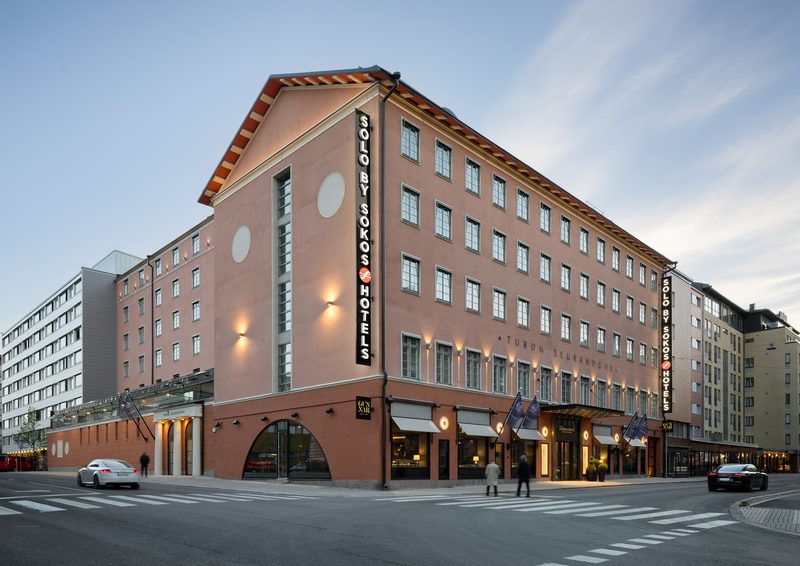
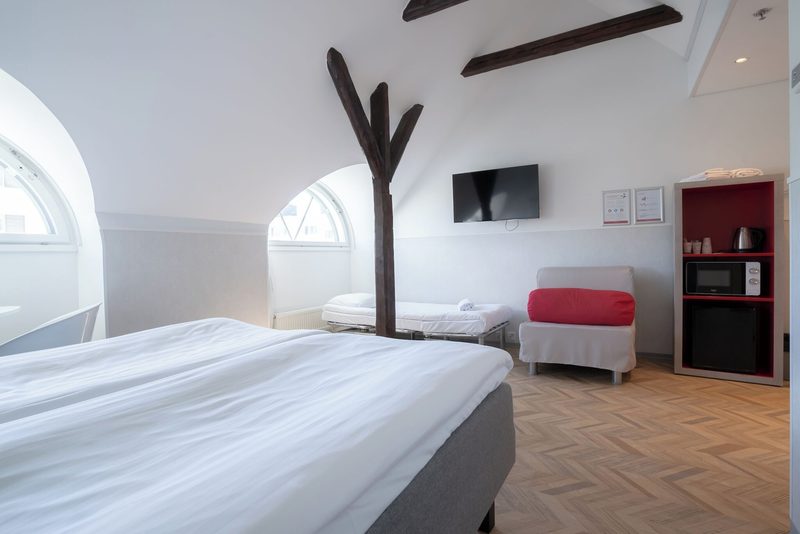
Where to Stay in Turku in August
Hand-picked hotels across price tiers for August travellers.
Packing Checklist
Bookmark this page — your progress is saved between visits
Need the full list with shopping links?
Climate-specific gear, brand recommendations, and what to leave at home.
View Turku Packing List →Essential Tips
Insider knowledge and common pitfalls to avoid
Insider Knowledge
The restaurant boats moored along the Aurajoki are not tourist attractions in the way they might be elsewhere. They are where Turku eats and drinks on summer evenings. The boats closer to the cathedral end of the river tend to draw a more local crowd than the ones near Kauppatori market square. Walk upstream until you hear more Finnish and Swedish than English, and that is likely where the food is better and the atmosphere less performative.
The Kauppahalli on the east bank of the Aura has been Turku's indoor market since 1896, and in August it is the place to find the season's first foraged chanterelles. The mushroom vendors know their woods personally and can tell you which forest each batch came from. The Finnish way to prepare chanterelles is absurdly simple, sauteed in butter with a pinch of salt, and any attempt to complicate it will draw polite disapproval from whoever is selling them to you.
Turku is officially bilingual, Finnish and Swedish, and you will hear both on the street, in shop names, and on street signs. The Swedish-speaking population, roughly five percent of the city, has its own university (Abo Akademi), its own cultural institutions, and its own distinct relationship with the archipelago, where Swedish remains the dominant language on many islands. Acknowledging this duality rather than assuming everyone is Finnish-speaking opens doors that stay closed to visitors who treat Finland as linguistically uniform.
The free archipelago ferries are free for pedestrians and cyclists, not subsidised-but-still-costs-something. They run on published timetables that are reliable to the minute, and the crossing to Pargas or Nagu makes a day trip into the outer islands practical without any private transport. Bring a bicycle on the ferry and you can cover an island's roads in a few hours, catching a return ferry in the afternoon. The trick is checking the timetable the night before, because the last return ferry leaves earlier than most visitors expect.
Avoid These Mistakes
Packing for a warm European summer and leaving all insulation at home. The daytime high of 21°C (69°F) reads pleasant on paper but drops to 11°C (52°F) after dark, and on the water with any breeze the chill is real. Visitors from southern Europe or Southeast Asia are caught off guard, and Turku's outdoor shops do steady business selling emergency fleeces to travelers in shorts and sandals who planned for the wrong latitude.
Treating the archipelago as a day trip you can figure out on the morning of. The ferry timetables, while reliable, do not run every hour, and the last return from outer islands like Nagu can leave as early as late afternoon. Missing that ferry means either an unplanned overnight on an island with limited accommodation or an expensive water taxi back. Ten minutes with the timetable the night before prevents this entirely.
Spending the entire visit in the city centre and missing Ruissalo and the waterfront paths. Turku's compact old town can be walked in a day, and visitors who do not cross the bridge to Ruissalo or take a ferry into the archipelago leave having seen the city's face but not its character. The nature, the water, and the islands are what make Turku distinct from any other midsized European city, and skipping them is like visiting a coastal town without going to the coast.
Ready to plan your trip to Turku?
Now that you've got the research covered, here's where to go next.
Book Experiences in Turku
Top-rated things to do in Turku this August


Explore More Activities in Turku
Didn't see anything interesting yet?
Browse Viator's full catalog of tours, day trips, food experiences, and private guides in Turku.
See All Turku Tours on Viator